


fjpay
Aayush & Prerana Wedding Photography – A Nepali Love Story
Aayush and Prerana’s wedding project stands as one of our most emotionally rich and artistically fulfilling wedding photography assignments, not only because of the scale of the event but also because of the deep personal connection the couple shared with their traditions, their families, and with each other. From the very beginning, during our first consultation, it was clear that the couple wanted much more than standard wedding documentation—they wanted a complete emotional archive, a storytelling journey that would let them relive not just how the wedding looked, but also how every moment felt. They expressed their wish for visuals that blended modern elegance with the purity and authenticity of Nepali rituals. Their biggest request was simple yet profound: “Capture us naturally—capture our joy, our tears, our quiet moments, and our chaos. Make it feel real.” We understood that this meant we had to go beyond curated poses and staged moments; instead, we had to become observers, storytellers, and silent participants in one of the most important days of their lives. The challenge began early on because their wedding was planned across multiple locations in Kathmandu, with ceremonies happening in tightly packed intervals. Nepali weddings, by nature, have layers of rituals—swayambar, kanyadaan, sagun, bidaai, and more—each with emotional depth, symbolic meaning, and moments that happen in seconds. Missing even one ritual would break the flow of storytelling. On top of this, the couple specifically told us they preferred candid, unscripted shots rather than being constantly pulled aside for posed sessions. This required us to rethink our usual workflow to ensure complete coverage without interrupting their natural rhythm. Another challenge surfaced when we pre-visited the venues: one of the main ceremony halls had extremely low lighting, relying mostly on traditional warm bulbs and decorative ambience lights, which often create strong shadows and uneven tones. Low-light photography demands a mix of technical precision, fast lenses, and careful timing to capture expressions without compromising clarity. We prepared for this by bringing fast prime lenses, additional low-profile LED panels, and a dual-camera setup for the main photographer to switch instantly between portraits and storytelling frames.
The wedding morning began with the bride’s preparation, where we focused on capturing the gentle unfolding of emotions—her mother fixing her jewelry, her sister adjusting the veil, her quiet smile as she looked in the mirror, absorbing the moment. These unscripted scenes became some of the most powerful frames, showcasing raw emotion rather than staged beauty. Meanwhile, our second photographer was with the groom, documenting his preparations—his friends teasing him, his father offering blessings, and the excitement building as he stepped out in his traditional attire. Since both preparations were happening simultaneously, having a team of multiple shooters ensured that no storyline was left incomplete. Once we reached the main venue, the challenge of moving crowd dynamics began. Nepali weddings often involve hundreds of relatives, all wanting their moment with the bride and groom. Our strategy was clear: one photographer focused entirely on candid moments, one handled portraits and family groupings, and our cinematographer traced the emotional arcs—hands joining, eyes meeting, friends laughing, parents tearing up, and cultural rituals playing out with grace. We made sure that every frame held an emotional anchor—even simple gestures like the bride adjusting her dupatta, the groom fixing his topi, grandparents blessing the couple, kids sneaking sweets, and cousins dancing became part of the visual storytelling.
One of the most memorable segments of the wedding was the swayambar ceremony. The hall was crowded, the rituals moved quickly, and every moment mattered. The lighting was dimmer than we had anticipated, but because we had already prepared a lighting strategy, we used a combination of ambient light and subtle fill to maintain natural authenticity. The expressions of the bride and groom during swayambar—the nervous anticipation, the shy smiles, the meaningful glances—were captured with a cinematic softness that later became a signature sequence in their highlight film. After the bendhi and mala exchange, we followed them closely (but without intruding) to document the little interactions that often go unnoticed: the bride’s father holding her hand for a few extra seconds, the groom whispering something that made her laugh softly, the mother wiping a tear discreetly behind her shawl. These micro-emotions are what transform a wedding album from a collection of images into a living story.
As the day progressed, the challenge of time became real. The couple had limited time for portraits, yet they wanted a modern, romantic aesthetic blended with cultural elegance. We secured a five-minute window between rituals and used that break to create a series of beautiful, naturally styled portraits using natural daylight streaming through the temple courtyard. These portraits became the couple’s favorites because they felt spontaneous yet visually stunning. Even though the window was short, our pre-planning allowed us to maximize every second—camera settings ready, framing options pre-decided, and assistant lighting arranged instantly.
The reception was another visual dimension altogether—vibrant, energetic, filled with movement. The lighting was colorful and dynamic, perfect for cinematic sequences. We captured wide drone shots for establishing visuals (where permissible) and used stabilizers for smooth motion shots of guests dancing, friends performing, and emotional speeches by family members. As the bride and groom greeted the guests, we maintained a balanced flow between candid storytelling and posed family sessions. Our team worked systematically through the crowd with efficiency so the couple wouldn’t feel overwhelmed or delayed during their event.
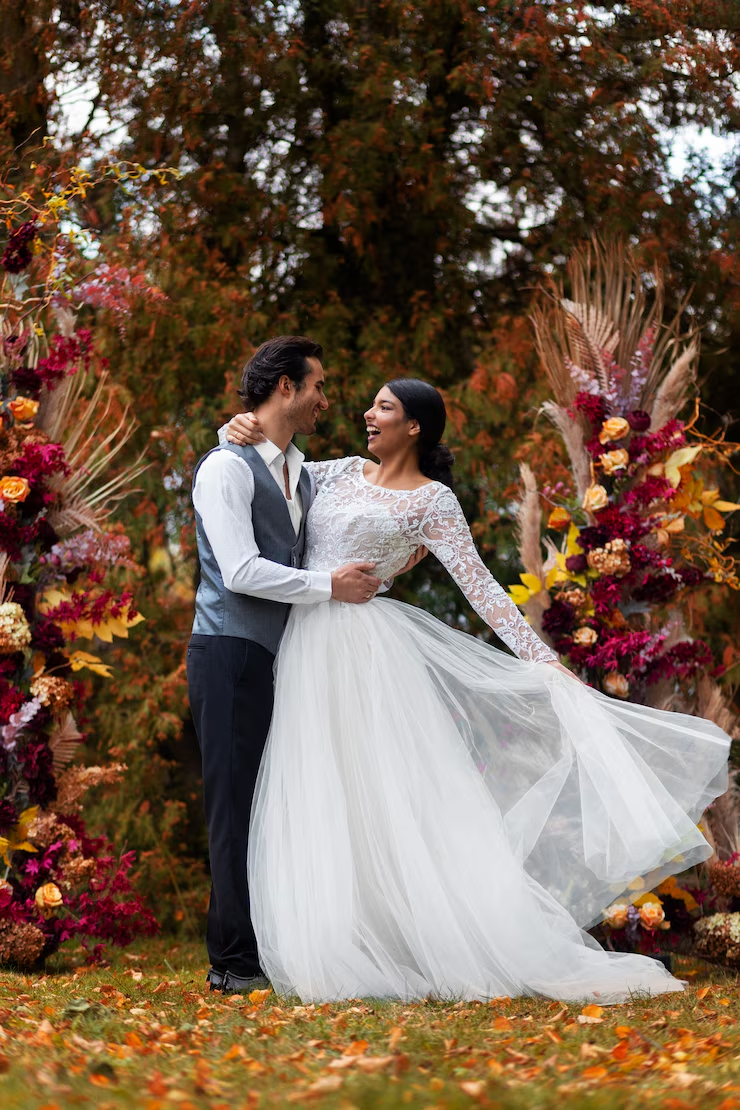
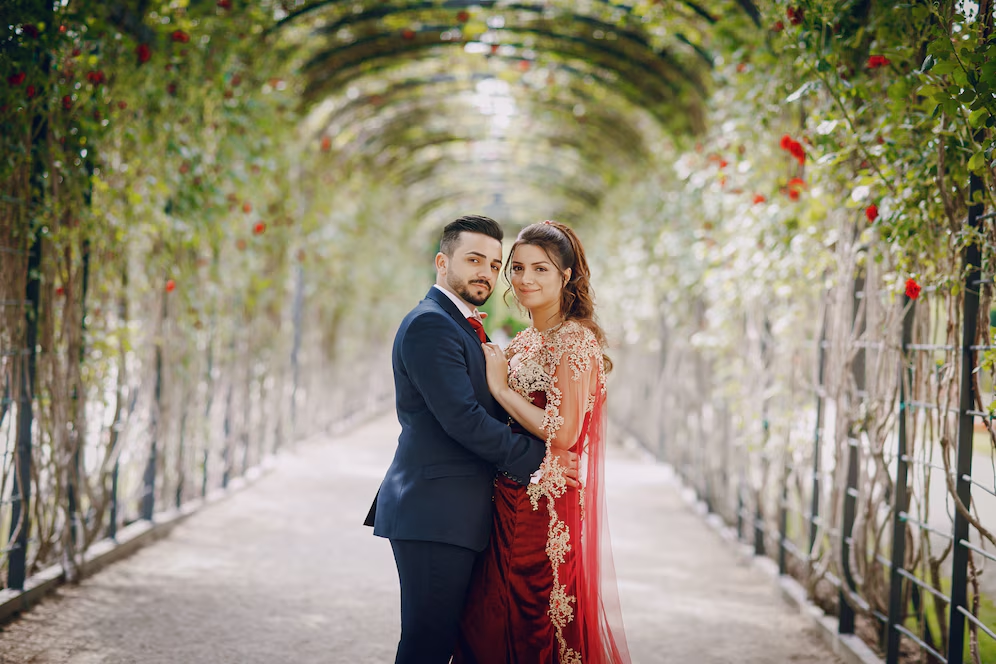
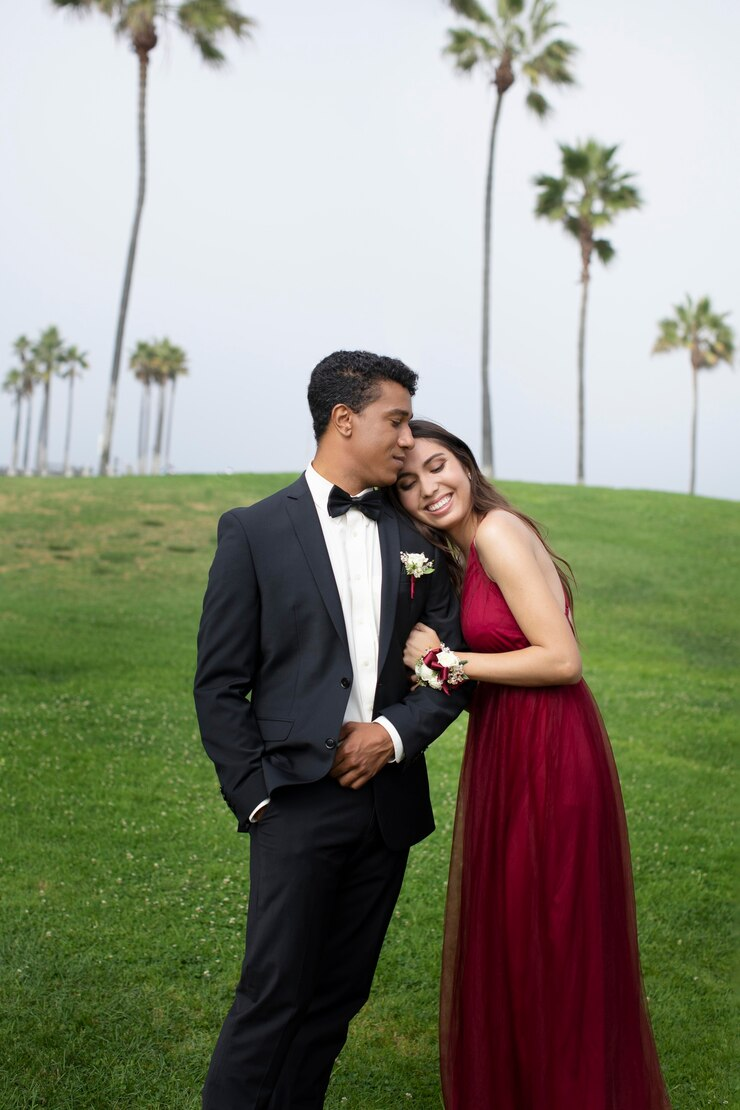
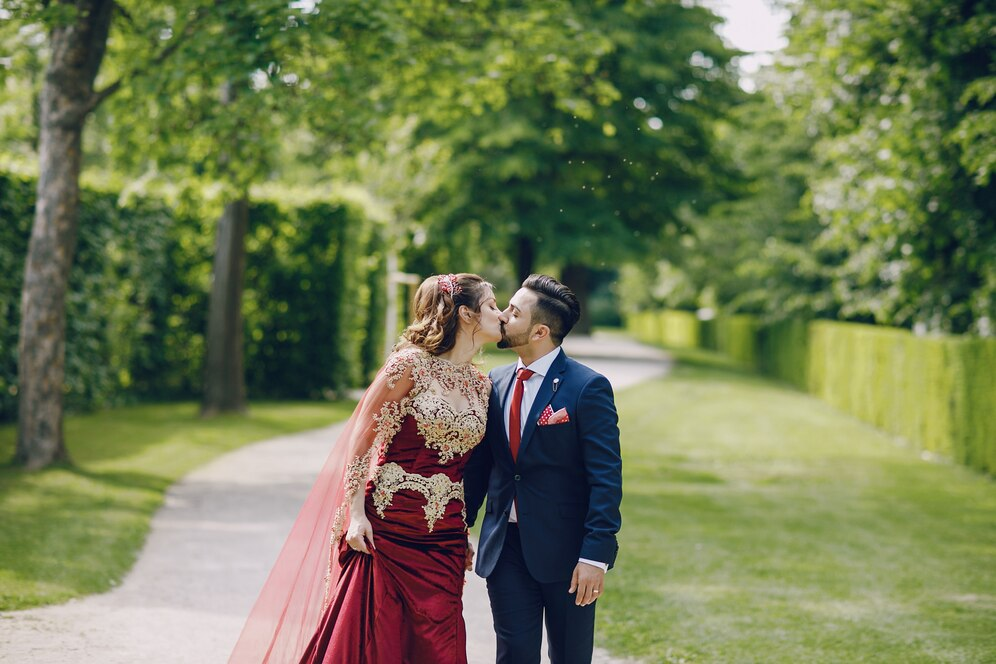
Wedding Photography Scenes
By the end of the event, we had collected hundreds of powerful moments—but the storytelling didn’t end there. The post-production phase was just as crucial. We sorted through more than 3,500+ raw images, selecting the most meaningful ones and editing them with a consistent color palette that reflected the warmth, elegance, and cultural richness of Nepali weddings. Our color grading approach leaned toward a timeless cinematic look—warm tones, deep contrasts, and preserved natural skin texture. We delivered over 850 high-resolution edited images, ensuring variety across candid moments, rituals, portraits, dance sequences, emotional highlights, and guest interactions.
For the wedding film, we curated a four-minute highlight story that blended music, vows, ritual sequences, and slow-motion emotional moments. We used a mix of natural audio and cinematic overlay to keep the storytelling authentic. The pacing was designed to show the build-up of emotions—from excitement to joy to tears—so the viewer could feel connected even without being at the event. Within 48 hours, we delivered a social media teaser because we knew how important it was for the couple to share fresh memories quickly with friends and family. The teaser became an instant hit on Instagram and Facebook, gathering more than 60,000 organic views, shares from relatives abroad, and a stream of heartfelt comments.
When we delivered the final album—a luxury, handcrafted storybook layout—the couple told us it was far beyond what they had hoped for. Every page flowed like a chapter, with images arranged not chronologically but emotionally, creating a narrative experience. The bride later said that the album made her cry because it reminded her of moments she didn’t even know had been captured. The groom told us that the storytelling film was something he could watch a hundred times and still feel emotional every time. Their parents were equally moved, praising how respectfully and beautifully their cultural traditions were portrayed. The couple’s satisfaction turned into multiple referrals, leading to new bookings from their circle of friends and relatives who had seen the visuals online.
Looking back, this wedding wasn’t simply a project—it was a creative journey filled with challenges, emotions, cultural beauty, and artistic fulfillment. It reaffirmed our belief that wedding photography is not merely about clicking photos; it is about preserving human emotion, honoring traditions, capturing fleeting moments, and turning a single day into a legacy of memories that lasts a lifetime. Through planning, storytelling, technical mastery, and empathy, we were able to create a complete visual narrative that Aayush and Prerana will treasure forever—and that, for us, is the true success of this case study. Contact us for wedding photography and Videography
Gallery
Tools We Use
Videography & Editing Tools
- Camera Gear: Sony A7 III, Canon EOS R, DJI Mavic Air 2 (Drone)
- Stabilization: DJI Ronin-S, Tripods, Sliders
- Lighting: Godox LED Panels, Softboxes, Ring Lights
- Audio: Rode Wireless GO II, Zoom H1n Recorder
Editing Software:
- Adobe Premiere Pro – for video editing
- After Effects – for motion graphics & visual effects
- DaVinci Resolve – for color grading
- Final Cut Pro – alternative editing workflow